This article may contain affiliate links.
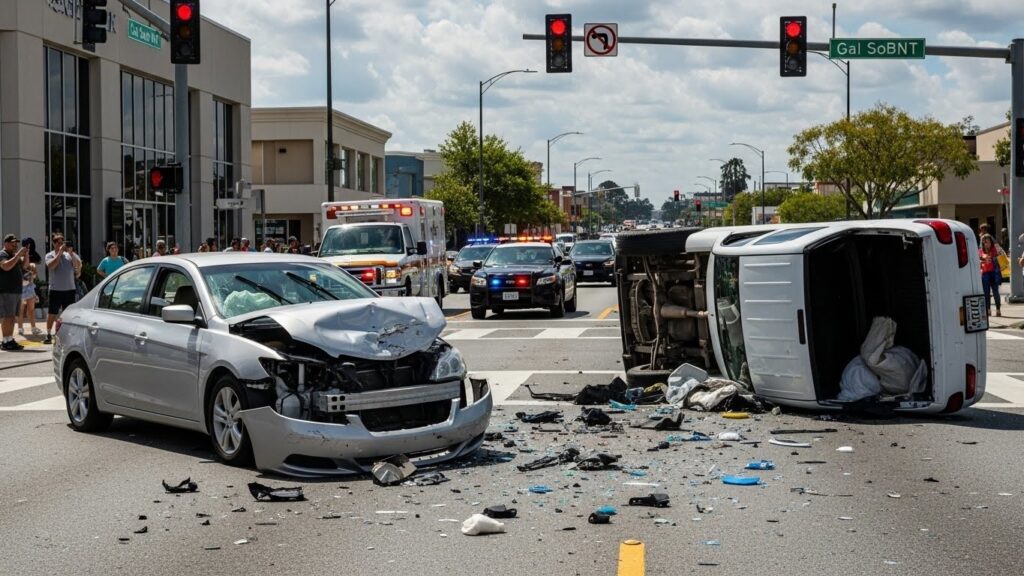
The screech of tires and the impact of a crash are terrifying enough. But when the other driver looks you in the eye and confirms they don’t have insurance, the fear of physical injury is instantly replaced by a deep financial dread. It’s an unsettling reality for thousands of drivers every day.
While every state mandates that motorists carry liability coverage, a significant portion ignore this law, leaving you in a complex legal and financial situation. Your ability to recover your medical expenses, lost wages, and property damage now depends entirely on the policy you purchased for yourself. The key is understanding how to activate your protections and avoid the costly missteps that often accompany an uninsured motorist claim.
Why Is Uninsured Motorist Coverage Your Financial Shield?
The fundamental rule of a crash is that the at-fault driver is responsible for your losses. When that driver is uninsured, the chain of payment breaks. Your personal policy, specifically the Uninsured Motorist (UM) coverage, is designed to step in and act as the liability policy the other driver should have had. This protection is so vital that in many states, including North Carolina, insurance carriers are required to offer this coverage.
For example, North Carolina law mandates that auto insurance policies must include Uninsured Motorist coverage for bodily injury. This legal principle ensures that you are compensated up to your policy limits, even if the other driver has zero coverage. Successfully managing this claim process, however, often requires the experienced hand of a car accident lawyer such as Charlotte’s Stewart Law Offices, whose lawyers understand the nuances of state-specific UM provisions. Understanding this statute is the first step toward securing your full compensation.
What Does UM Coverage Pay For?
Uninsured Motorist (UM) coverage steps in to protect you when the at-fault driver has no insurance, but its benefits extend beyond the basics:
Bodily Injury Liability Protection
UM Bodily Injury coverage pays for damages like your emergency room visit, long-term physical therapy, lost income due to inability to work, and compensation for pain and suffering. This coverage functions as a direct substitute for the at-fault driver’s missing policy, though it is still subject to the limits you selected when purchasing your own insurance. A higher limit here provides a much-needed safety net.
Property Damage Reimbursement
UM Property Damage coverage pays for the repairs or the total loss value of your vehicle. Be aware that in some jurisdictions, UMPD is optional, and you might have to rely on your collision coverage instead, which may carry a deductible that UM coverage otherwise wouldn’t. Always check your policy declarations page to confirm exactly what protections you carry for your vehicle.
How Does The Claims Process Change With Your Own Insurer?
When you file an Uninsured Motorist claim, your relationship with your own insurance company fundamentally changes. While they are still your carrier, they now must defend themselves against your claim, acting in a role adverse to your financial interests. Their goal shifts from protecting you against a third-party claim to minimizing the payout on your first-party claim.
This situation is like a professional basketball team suddenly having its referee put on the jersey of the opposing team in the fourth quarter. They are looking for reasons to reduce the amount they owe, not hand over a blank check. They will scrutinize your medical records and the police report, often searching for evidence of pre-existing conditions or, more critically, any suggestion that you were partially responsible for the crash. This is why careful communication and robust evidence are non-negotiable.
What Evidence Do Most People Forget To Collect?
In an accident involving an uninsured driver, the standard at-fault driver’s statement isn’t enough. You must proactively document the collision because you are essentially building a case against an absent defendant for your own insurer.
The Uninsured Status Verification
Simply hearing the driver say, “I don’t have insurance,” isn’t adequate. You need an official record. This is why a police officer’s exchange slip or formal accident report, documenting that the other driver failed to provide proof of insurance, is the absolute priority. This document is often the trigger your insurer needs to open a UM file.
Proof of the Vehicle’s Existence
Your insurer must confirm the phantom vehicle actually exists. Collect photos of the license plate, the VIN (if visible), and the make/model of the other vehicle. If the at-fault driver fled the scene, a “hit-and-run,” your insurer will treat it as a “John Doe” claim, but you must still provide corroboration of physical contact or an independent witness, depending on state law.
Is Suing the Uninsured Driver Still a Viable Option?
One of the biggest misconceptions in accident law is the myth that “uninsured means judgment-proof.” It’s a common but costly assumption.
Just because the driver let their minimum liability policy lapse doesn’t mean they don’t have financial assets. Many uninsured drivers have valuable property, savings or a stable, garnishable income. For example, a driver may have recently lost their job and let the insurance go, but they may still own a house. Ignoring this fact costs victims thousands of dollars.
When your damages (like extensive medical bills and lost earnings) exceed your UM policy limits, a direct lawsuit against the at-fault driver becomes necessary. If you win, you obtain a court-ordered judgment. This judgment may be enforceable for years, allowing you to attach liens against any real estate the driver owns or garnish a portion of their wages until the debt is satisfied. While collecting takes patience, it ensures the at-fault party is held accountable.
Frequently Asked Questions
If my UM limits are low, can I use the coverage from my other vehicles?
It depends on your state’s laws and your specific policy language regarding “stacking.” Stacking allows combining UM limits from multiple vehicles, but many policies prohibit it.
Will my health insurance cover my bills even though it was a car accident?
Typically, yes, but your health insurer has a right to “subrogation,” meaning they can seek reimbursement from any settlement you later receive from the at-fault party or your UM policy.
Is there a specific deadline to file an Uninsured Motorist claim?
Yes. While the statute of limitations applies, your policy contract requires you to notify your insurer of the accident “as soon as practicable” or risk claim denial.
The post What Happens in a Car Accident If the Other Driver Has No Insurance first appeared on Clean Fleet Report.