Just like your nan used to drive, except cooler, noisier and more terrifying
I have never hung art in my bedroom. I can never find anything that looks right: too cliché, too kitsch or too highbrow.
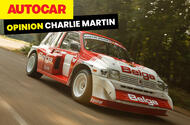
I have, however, always displayed a poster of a Metro 6R4, mid-slide. That, for me, is worth 100 Warhol soup cans or Mona Lisa parodies – even if my university housemates didn’t have quite the same vision. The appeal of the 6R4 lies partly in the brilliance of its development brief.
For the sake of appeasing British Leyland’s marketing bods, the company’s Group B racer simply had to be based on a Metro. That brought virtues – a short wheelbase, boosting agility – but also barely any room for cramming in a title-worthy drivetrain. In retrospect, the sensible answer would have been to fit a huge turbo to a downsized engine, graft in a four-wheel-drive transfer case and call it a day.
Turbos were all the rage: Audi, Lancia, Renault and Mitsubishi were all at it, with the newfangled tech promising huge power. Austin Rover Motorsport could have followed easily.
But no. The engineers instead stuck two naturally aspirated fingers up at the new school and set to work on an all-new free-breathing V6, enlisting ex-Cosworth maestro David Wood. The thinking was that you could have sold a showroom full of Metros in the time it took a small engine to build turbo boost – then the engine would have grenaded.
Plus, all the ancillaries required to manage the extra heat and thirst for fuel would have added significant weight, upsetting the Metro’s balance. The end result was indisputably a success: a masterpiece in aluminium revving to 9000rpm. It could produce 400bhp, but that’s not really the point, because it’s the sound that is punched indelibly into my consciousness.
As propaganda tools go, little is more effective than the sight and sound of a gargling, mid-mounted, highly strung six-pot echoing through a forest. The shriek of the Metro as it approached pummelled spectators from head to toe. It’s Megadeth on four wheels.
Were the 6R4 anything but a Metro, we might never have been gifted that sound. A larger, heavier Rover or Austin might have meant turbocharging would have been an acceptable compromise, and the resulting soundtrack may have fallen flat.
Nor, for that matter, would it have been so utterly outrageous to look at. Those comically extended arches were functional, but they gave the 6R4 plenty of billboard space to facilitate colourful liveries, and its popularity with privateers elicited a smorgasbord of memorable designs. The works Computervision livery, Jimmy McRae’s Rothmans scheme and the lurid P&O Ferries rallycrosser all come to mind.
But most of all I think it’s the 6R4’s cruel luck that gets me. While MG toiled away at making everything work, the rest of the field had properly figured out forced induction. By the time of the Metro 6R4’s launch in 1985, its boosted competitors were rumoured to be nudging 600bhp. No matter how much more drivable or dependable the 6R4 might have been, its tardiness doomed it to sit on rallying’s fringes. What could have been, if only it had arrived a year or two sooner?
That the 6R4 is still so fondly remembered by so many is testament to its single-minded genius. I fear that if I ever drove one I’d lose the will to live, knowing I’d never be able to buy it. Yet it remains right at the top of my bucket list. For now, watching old videos of Kris Meeke and Colin McRae chucking theirs around the streets of Donegal in a demo event will have to suffice.