An absolute steal assuming you can stomach random four-figure bills
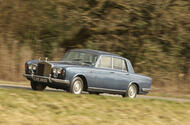
Silver Shadows are still relatively cheap for something regularly rated as the best car in the world.
Why? That they are still fairly plentiful must be one reason. Another reason is the likelihood, especially if you have bought a Silver Shadow, of people assuming that you’re running a wedding car business. If you have a white Shadow, you probably are.
And then there’s the implied immodesty of driving about in such an indulgent, wealth-flaunting device. You might enjoy looking like a toff or, as the cliché goes, a scrapyard owner, but for many the problem with a Rolls-Royce is that it comes as pregnant with as much implied self-esteem as it does wood and leather.
All of which might explain the lowish prices, along with fear of a Shadow’s easy ability to generate four-figure bills. Prices at one point sank low enough for rough ones to get banger-raced, and many more are broken for spares. In the end, a used Shadow is a commodity, just like any other car.
Engines are generally reliable. The Citroën hydraulics are not innately untrustworthy – but they are complicated to maintain.
In the quest to ensure that the 1965 Silver Shadow was the most refined car in the world, Rolls took out a licence on Citroën’s super-sophisticated, soft-as-moss hydropneumatic suspension, as used by the DS. Early cars used this pressurised system for all four wheels, but from 1969 it was limited to the rear only, this axle producing the most benefit. With the powered suspension came Citroën’s power brakes, ignorance of this system another leaky source of expense.
You can eviscerate a load more cash on a Rolls-Royce interior, too, if moisture has got to its antique wardrobe’s worth of veneered woods and a tub of hide-food isn’t enough to revive an acre of withering leather.
The Shadow is prone to more democratised automotive troubles too. This was the model that took Rolls-Royce into a more modern age: its body was the firm’s first monocoque and other novelties included disc brakes and independent rear suspension.
The body was built for Rolls by Pressed Steel Fisher in Cowley (on the site where the Mini is made today), then a subsidiary of British Leyland, and probably needed plenty of work with artfully applied hammers and molten lead once it had arrived at Crewe.
So they rust, although the erosion rate is a lot slower than it was for most other 1965 models, Rolls-Royce’s thorough paint process delaying the onset of orange-brown stains. But wings, front and rear valances, the floor and sills turn flaky.
As with any old car, it’s much cheaper to buy a better car in the first place than to attempt the revival of something cheap.