
Here’s the Cold Weather Parts Checklist
This article may contain affiliate links.
A Ford Transit that survives winter without drama isn’t an accident—it’s the result of smart prep. Whether you run deliveries at dawn, manage a small fleet or simply commute in serious weather, use this practical checklist to keep your van starting strong, stopping straight and staying visible when temperatures drop.
1. Fluids & Cooling: Freeze Protection First
Coolant/antifreeze: Verify mixture and protection level with a tester. Low-grade or old coolant invites corrosion, heater-core issues and poor defrost performance. Inspect hoses, clamps and the thermostat; replace anything that’s swollen, cracked or weeping.
Washer fluid (winter-rated): Summer fluid can freeze in the reservoir or lines—swap to a winter blend and purge the old stuff by running the washers. A clear windshield is a safety system; treat it like one. For a broader winter-prep refresher, AAA’s guidance is a solid reference.
Oil & filters: Cold starts are hard on oil. If you’re near an oil change, do it now and stick to the viscosity your engine calls for in low temps. Replace engine and cabin air filters to keep airflow healthy and defrost strong.
2. Electrical System: Cold-Crank Confidence
Battery health: Cold reduces cranking amps. Load-test the battery, clean terminals and check the alternator’s output. If it’s marginal, replace before the first cold snap.
Diesel specifics: If your Transit is diesel, make sure glow plugs and the control module are healthy, and keep DEF topped off. Replace the fuel filter on schedule; water separation matters in winter.
Lighting: Short days demand strong lights. Check low/high beams, fogs, brake and plate lamps. If a lens is hazy or cracked, fix it before road salt and slush make visibility worse.
3. Tires, Traction & Brakes: Where Winter Money Pays Back
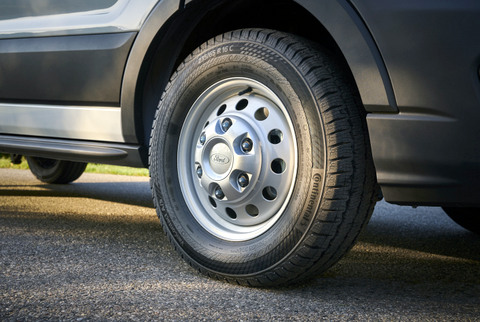
Tires: Tread depth, age, and the right compound matter. True winter tires or severe-snow all-weathers drastically improve traction and braking distance in cold conditions. Keep pressures at the door-jamb placard (check cold), rotate on schedule, and confirm your load index matches your van’s duty cycle. NHTSA’s winter driving page is a good quick review of tire checks and why “cold” checks matter.
Chains/traction aids (where legal): Carry them if your routes include mountain passes or chain-control zones. Practice installing them in the dry—your future freezing self will thank you.
Brakes: Inspect pad thickness and rotor condition; bleed or replace brake fluid if it’s been a while. Salt + moisture + heat cycles expose weak hardware—replace pad clips, slider boots and seized pins so braking stays linear in the cold.
4. Visibility & Comfort: The Defrost Trifecta
Wiper blades: Swap in fresh blades (consider winter-style frames) and confirm the washer jets fan evenly across the glass.
Defrost performance: Make sure your HVAC doors switch modes properly, the blower is quiet and strong, and the Max Deforst function blasts the windshield as intended (Ford’s own HVAC overview is a handy reminder of how the system prioritizes airflow and heat on defog).
Heated mirrors & rear defog: Check both. A clean, fog-free view saves neck strain and keeps lane changes safe in sleet or slush.
5. Body & Exterior Protection: Armor Against Salt and Ice
Winter punishes exposed plastics and lower edges: splash shields, wheel-arch liners, lower grilles and mud flaps take the brunt of snow, ice and debris. Replace missing undertrays so slush doesn’t soak engine bay wiring; secure loose inner liners before they become snow scoops. If you need replacement caps, grilles, liners or trim clips, shortlist cataloged body parts for Ford Transit to keep the exterior sealed and protected.
6. Doors, Seals & Latches: The Simple Stuff that Saves Time
Weatherstrips: Wipe seals clean and condition them with a silicone-safe product so doors don’t freeze to the jambs.
Latches & locks: A light application of appropriate lubricant prevents freezing and broken handles.
Sliding doors & rear hinges: Clean tracks and check for gravel or salt build-up; a jammed door can wreck a delivery schedule.
Quick Pre-Trip Routine
Walk-around: lights on, quick lens wipe, check for ice packed behind wheels.
Tires: gauge pressures and look for sidewall bubbles or corded edges.
Fluids: top washer and fuel (keep the tank at least half full to reduce moisture).
Start-up: let idle stabilize; listen for belt chirps or blower squeal; confirm heat/defrost output.
Clear everything: roof snow slides forward under braking—remove it before you roll.
Winter readiness is a parts-and-process game. Refresh fluids, verify electrical strength, run proper tires, ensure strong defrost and protect the exterior from salt and slush. Lock in a weekly two-minute inspection habit, and your Ford Transit will start clean, track straight and stay on schedule—no matter what the forecast throws at it.
Round it out with a simple winter playbook: keep a trunk kit (spare blades, washer fluid, gloves, fuses, portable inflator, traction mats), log pressures and pad thickness at each fuel stop, and rinse the underbody weekly to fight salt corrosion. Use silicone on door seals, graphite in locks and a light lithium spray on latches so nothing freezes shut. If you’re diesel, cycle the glow plugs fully and replace the fuel filter on schedule; if you have a block heater, plug in on subfreezing nights to ease cold starts. Avoid setting the parking brake in sleet (it can freeze on), park nose-out for easier morning departures, and pair a basic OBD reader to watch coolant temps and battery voltage. Do these small things consistently and winter becomes routine instead of risky.
The post Is Your Ford Transit Winter-Ready? first appeared on Clean Fleet Report.