This article may contain affiliate links.
Cars are built for a global market, but the rules governing them stop dead at the border. The exact same SUV rolling off an assembly line will face entirely different legal and financial realities depending on where the license plates are issued. Driving cultures shape risk models. Local laws dictate liability. For example, when pulling a fast quote in Qatar, securing vehicle insurance means interacting with a digital infrastructure that looks nothing like the bureaucratic heavy-lifting required in older Western markets. It is never just a standard policy. It is a reflection of how different countries manage chaos on the asphalt.
The USA: Fifty Different Legal Systems
The American framework is completely decentralized. There is no national standard for auto coverage. What constitutes full coverage in a snowy state like Michigan differs wildly from the legal minimums in Florida. The market relies heavily on private companies battling it out over ZIP codes, credit scores and localized risk factors.
Bodily injury liability and uninsured motorist coverage are massive deals here because the healthcare system and tort law make lawsuits incredibly expensive. Automotive journalists at Car and Driver regularly highlight how regional weather events or localized theft spikes can completely derail regional premium averages. Major providers like Progressive dominate by packaging these complex state-by-state requirements into digestible policies, but the underlying legal web remains incredibly tangled.
The UK: Telematics and the Black Box
Jump over to the UK and the system tightens up fast. The Motor Insurance Database tracks every registered plate, and driving without coverage is a fast track to getting a vehicle impounded. The rules are absolute. An expired MOT (Ministry of Transport) automatically invalidates most policies.
The biggest shift here is how heavily the market relies on telematics. Young drivers often have no choice but to install a black box in their car to track braking force, cornering speed and late-night driving. Without it, premiums are basically unaffordable. Trusted aggregators like Сompare Тhe Мarket run the consumer side of things, forcing underwriters to compete fiercely on price while maintaining strict regulatory compliance. It is highly centralized and leaves very little room for error.
Australia: The Straightforward Contrast
Australia offers a brilliant contrast to the rigid British system. Down under, the base layer of coverage is practically unavoidable. Compulsory Third Party (CTP) insurance, often called a Green Slip, is heavily tied to vehicle registration. You cannot legally register a car without it. It covers personal injury to others if an accident happens.
Because that legal baseline is so straightforward, the secondary market for comprehensive coverage feels much less stressful. Drivers simply add policies for property damage, fire and theft. The environment demands it. Outback driving involves serious hazards like animal strikes, a niche but crucial coverage element often discussed by gearheads at The Drive. Trusted local platforms like RACV handle these comprehensive add-ons without the extreme surveillance-style telematics seen in the UK.
Qatar: OEM Repairs and Premium Digitization
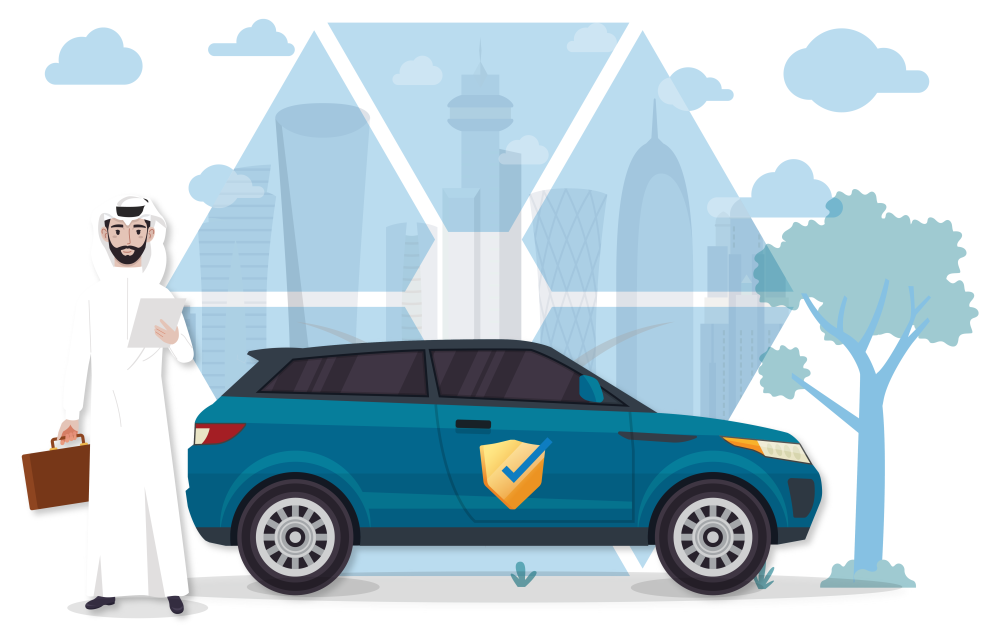
The Middle Eastern market operates on a totally different wavelength. Everything is streamlined, fast and heavily digitized. In Qatar, the consumer base drives high-end luxury and premium off-road vehicles. As a result, the insurance market leans heavily into specific regional demands.
Agency repair clauses are a perfect example. Drivers here usually insist that any accident damage gets fixed by the official dealership rather than a third-party garage, and top-tier policies are built around this exact guarantee. Furthermore, comprehensive options almost always need to factor in off-road protection for dune driving and extreme environmental wear from heat and sand. The platforms managing these policies are heavily app-based, allowing expatriates and locals to adjust coverage tiers instantly without sitting in an office signing endless stacks of paper.
Сonclusion
Risk always depends on geography. Whether dealing with American liability limits, British driving monitors, Australian outback hazards or modern Qatari tech platforms, the core goal is always financial protection. But the actual product changes the minute rubber meets a foreign road.
The post Global Coverage: How Car Insurance Actually Works in Different Countries first appeared on Clean Fleet Report.