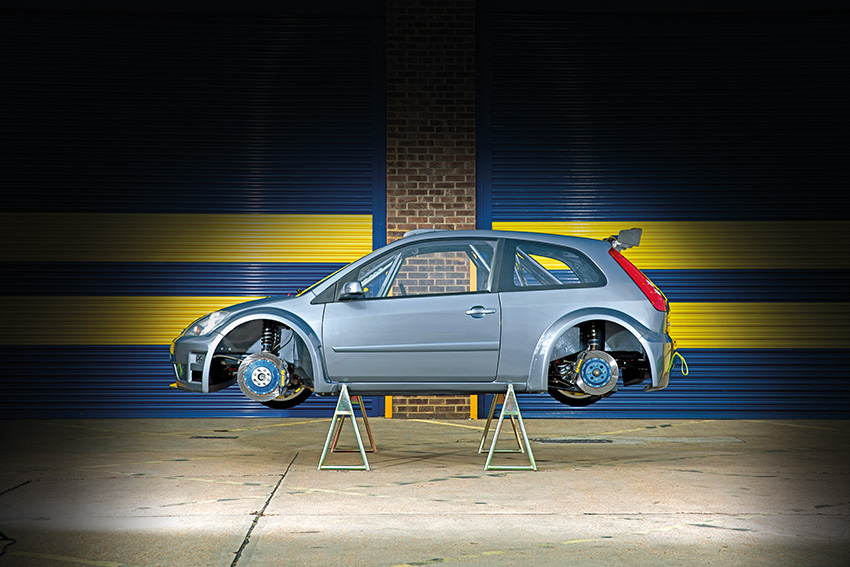
Race circuits are the perfect place to push both your driving skills and your car to the limit, but preparation is everything. Whether you’re planning your first-ever circuit outing or getting ready for a Track Time session at TRAX Silverstone on August 16, 2026, making sure your car is ready for the additional stresses of track driving will improve safety, boost confidence and help ensure you drive home with a smile on your face.
Track driving places significantly greater demands on every component of your car. Brakes run hotter, tyres work harder, fluids reach higher temperatures and suspension components are pushed far beyond what they would normally experience on the road. The good news is that a little preparation goes a long way.
Follow this guide and you’ll be giving both yourself and your car the best possible chance of a successful day on track.
Guide adapted from Fast Ford magazine.
Prepare your car for a track day
Suspension
If there’s one area of your car that can completely transform how it feels on track, it’s the suspension.
At the very least, a set of quality lowering springs will reduce body roll and lower the centre of gravity. However, most enthusiasts quickly move towards a spring and damper package or a complete coilover setup. These systems allow ride-height adjustment and, in many cases, damping adjustment too, enabling you to fine-tune the balance between road comfort and track performance.
For drivers looking to take their first steps into track driving, BILSTEIN’s B14 suspension kit provides a superb upgrade over standard suspension, delivering improved body control, sharper turn-in and greater stability under braking. For more experienced enthusiasts who regularly attend track days, the adjustable BILSTEIN B16 system offers additional tuning flexibility to suit different circuits and driving styles.
It’s also worth paying attention to suspension bushes. Most factory bushes are made from relatively soft rubber and are designed primarily for comfort. Upgrading to quality polyurethane bushes can significantly reduce unwanted movement while remaining perfectly usable on the road.
No matter what upgrades you’ve fitted, the best money you’ll spend is on setup. Whether it’s a simple wheel alignment or a full corner-weighting session, getting the geometry checked before heading onto the circuit can completely transform the way a car behaves.
Even the most expensive suspension package can only perform properly when aligned correctly. Many experienced track-day drivers pair professional geometry setup with quality dampers and coilovers to maximise tyre performance, consistency and driver confidence.
For more information, check out our suspension, coilover and damper guides.
Engine
Regardless of whether your car is completely standard or heavily modified, track driving places additional stress on the engine. Long periods at high RPM, repeated acceleration and elevated temperatures all expose weaknesses that may never appear during everyday road use.
Before considering performance upgrades, make sure the engine is healthy.
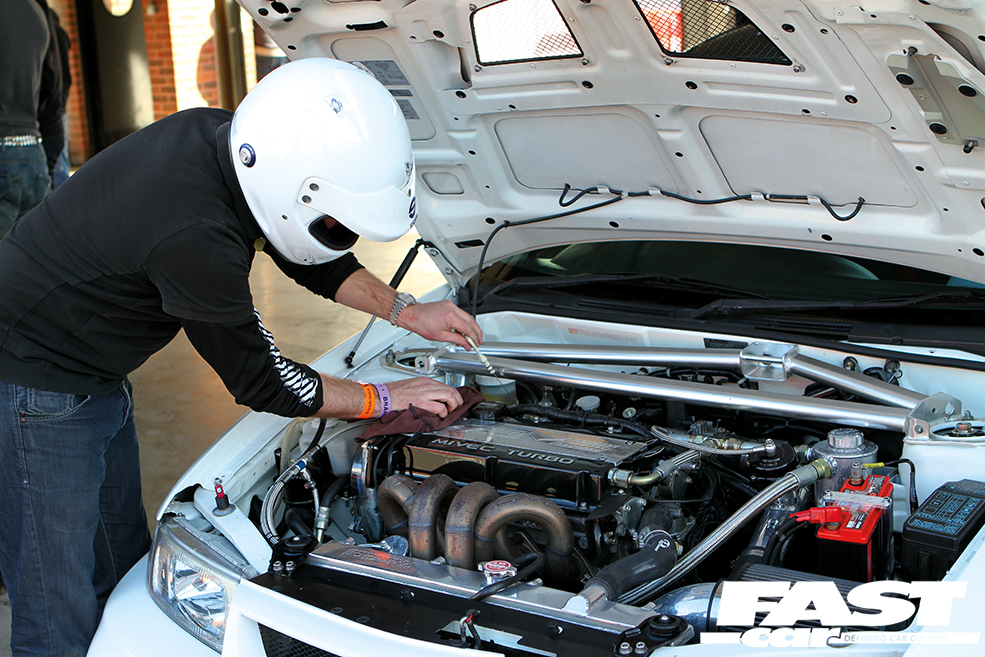
A fresh oil and filter change is always a smart idea before a track day. You should also inspect belts, hoses, coolant pipes, ignition components and fuel lines, while checking fluid levels throughout the vehicle.
Misfires are a common issue on track, so make sure spark plugs and ignition components are in good condition before heading out.
Fuel management is another area often overlooked by newcomers. High-speed cornering can cause fuel to move around inside the tank, potentially allowing the fuel pickup to draw air. To minimise the risk, aim to keep at least half a tank of fuel onboard. Equally, avoid overfilling, as excess fuel can spill through breather systems and lead to black flags from circuit officials.
Regular track-day enthusiasts may wish to explore baffled fuel tanks, swirl pots or upgraded fuel delivery systems, but these aren’t essential for occasional use.
An upgraded oil breather system can also be beneficial. Sustained high RPM operation increases crankcase pressure, and a properly designed breather system helps maintain reliability during prolonged track sessions.
Keep your car cool on a track day
Heat is the enemy of performance.
During a track session, engine coolant, engine oil, gearbox oil, brake fluid and even tyres can reach temperatures far beyond those experienced during road driving.
Before attending any track event, inspect the entire cooling system carefully. Check radiators, coolant hoses, fans and coolant condition, replacing anything that shows signs of wear or deterioration.
Once you’re confident the factory cooling system is functioning correctly, additional upgrades can help improve reliability. Larger radiators, oil coolers, upgraded intercoolers, heat management products and brake cooling ducts all contribute towards maintaining consistent temperatures throughout a session.
Remember to complete a cool-down lap before returning to the paddock. This allows temperatures to stabilise gradually while airflow continues moving through the car.
Once parked, avoid immediately switching the engine off. Allow it to idle briefly while temperatures settle. Likewise, avoid applying the handbrake if the brakes are particularly hot, as this can sometimes lead to warped discs or seized pads. Wheel chocks are a worthwhile addition to any track-day toolkit.
If you’d like to learn more, check out our dedicated guide to keeping your car cool.
Transmission
Your transmission works just as hard as the engine during a track session, so don’t overlook it when preparing your car.
Start by making sure the gearbox and differential oils are fresh and of good quality. Track driving generates significantly more heat than normal road use, and old or degraded lubricants can quickly become a weak point.
Your clutch should also be in excellent condition. If it’s already showing signs of slipping on the road, there’s a good chance it won’t survive a full day on circuit. Cars producing significantly more power than standard may benefit from an uprated clutch designed to cope with increased torque and repeated hard launches.
A short-shifter kit can help speed up gear changes and improve driver engagement, while a limited-slip differential remains one of the most effective performance upgrades available for many front-wheel-drive and rear-wheel-drive platforms. By improving traction on corner exit, an LSD can dramatically improve lap times and driver confidence.
For more information, check out our dedicated gearbox and transmission guides.
Brakes
If suspension helps you carry speed into a corner, brakes determine how late you can leave your braking point.
Track driving places enormous demands on braking systems. Standard components that feel perfectly adequate on the road can quickly become overwhelmed after a few hard laps.
At a minimum, consider upgrading to a performance brake pad compound and high-quality brake fluid. Braided brake lines are another worthwhile upgrade, helping to maintain a firm and consistent pedal feel during prolonged use.
Beyond that, larger discs and upgraded calipers can deliver significant improvements in both braking performance and heat management. You don’t necessarily need an expensive motorsport setup either. Many enthusiasts achieve excellent results using OEM upgrades sourced from higher-performance models within the same manufacturer range.
The key is consistency. The ability to brake hard lap after lap without experiencing fade will improve both safety and enjoyment.
Before any track day, always inspect pad thickness, disc condition and fluid levels. It takes only a few minutes but can prevent a day-ending mechanical issue.
Wheels & tyres on a track day
Tyres are the only part of the car that actually touch the track, making them one of the most important considerations for any track-day enthusiast.
First and foremost, make sure your tyres are in good condition. Even if you’re running regular road tyres, they need sufficient tread depth and should be free from damage or excessive wear.
Track use generates huge amounts of heat, causing tyre pressures to rise rapidly. This is why many experienced drivers lower their cold tyre pressures slightly before heading out and monitor them throughout the day.
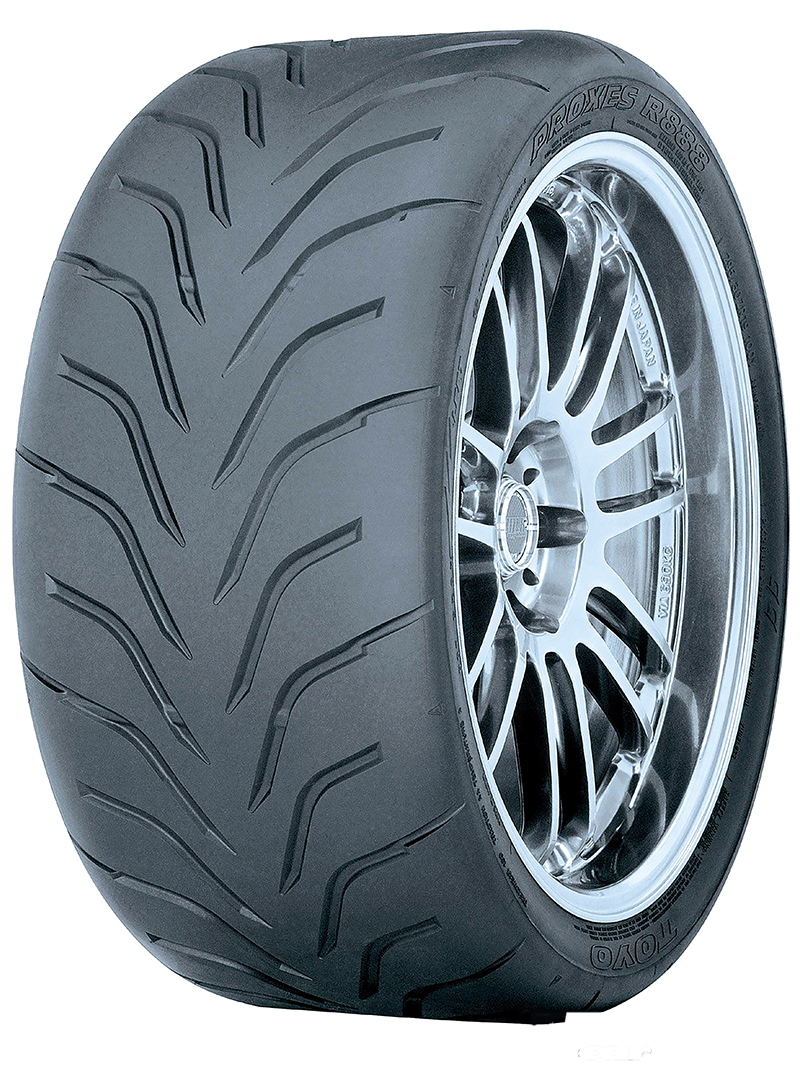
A dedicated set of track wheels and tyres is an excellent investment if you’re planning on attending multiple events. This allows you to run more track-focused rubber without compromising your daily driving experience.
Semi-slick tyres can offer significantly higher levels of grip than standard road tyres, but they also place greater demands on suspension and chassis components. That’s why many experienced enthusiasts upgrade tyres and suspension together.
A quality suspension package helps maintain consistent tyre contact with the track surface, improving grip, reducing excessive tyre wear and making the car more predictable at the limit. Systems such as the BILSTEIN B14 and B16 ranges are particularly popular among track-day enthusiasts because they strike an excellent balance between performance and everyday usability.
Lightweight wheels can also improve performance by reducing unsprung weight, helping braking, acceleration and steering response.
Exterior
Not every modification needs to add horsepower.
Aerodynamics become increasingly important as speeds rise, and carefully chosen exterior upgrades can genuinely improve performance.
Front splitters, rear spoilers, diffusers and underbody aerodynamic enhancements can all help manage airflow more effectively. By increasing stability and generating useful downforce, these upgrades can improve confidence during high-speed cornering.
For occasional track-day use, however, don’t feel pressured into fitting a full aerodynamic package immediately. Driver development, suspension setup, tyres and brakes will usually provide much greater returns for your money.
Interior
Weight reduction remains one of the oldest performance tricks in the book.
The simplest approach is to remove unnecessary items from the car before heading to the circuit. Spare wheels, toolboxes, shopping bags and anything else loose in the cabin should be taken out before your first session.
Not only does this reduce weight, but it also improves safety by preventing loose objects from moving around during heavy braking or cornering.
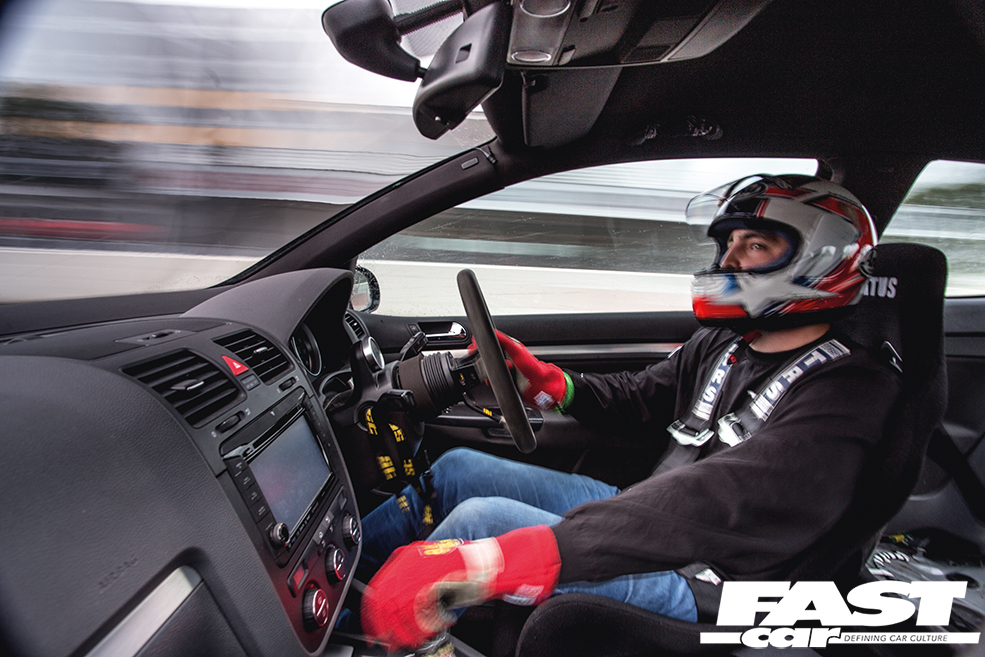
Drivers who regularly attend track days may choose to go further by removing rear seats, replacing factory seats with lightweight bucket seats and fitting harnesses. These modifications can improve both safety and driver confidence, particularly during longer sessions.
That said, don’t feel you need to strip out your entire interior to enjoy a track day. Many excellent track cars retain full interiors while still delivering fantastic performance.
What track day should I pick?
With circuits all over the UK hosting events throughout the year, finding a suitable track day is easier than ever.
Here are a few key considerations before booking:
Noise Limits
Most circuits operate under strict noise restrictions set by local authorities. If your car has an aftermarket exhaust, check its noise level beforehand. Cars that fail static or drive-by noise tests may not be permitted on track.
Session Format
Most track events operate using either session-based or open-pitlane formats.
Session events divide drivers into groups, typically based on experience level, with each group receiving dedicated track time throughout the day. These are often ideal for newcomers.
Open-pitlane events allow drivers to enter and leave the circuit whenever they wish, subject to maximum vehicle numbers. While they usually offer more track time, they can be more intimidating for beginners.
Driver Instruction
If available, consider booking instruction.
Even a short session with a qualified instructor can dramatically improve your driving, helping you identify bad habits, improve consistency and gain confidence more quickly than you could alone.
What to expect on a track day
Every circuit operates slightly differently, but most track days follow a similar structure.
You’ll begin with a safety briefing covering circuit rules, overtaking procedures and flag signals. Pay close attention—these briefings contain important information that helps keep everyone safe.
During your first few laps, focus on learning the circuit rather than chasing lap times. Cold tyres, unfamiliar surroundings and excitement can be a dangerous combination.
Build speed gradually. Concentrate on smooth steering inputs, consistent braking points and accurate corner placement. Fast laps are usually the result of smooth driving rather than aggressive driving.
After each session, complete a cool-down lap and perform a quick inspection of the car. Check tyre pressures, fluid levels and brake condition before heading back out.
You’ll often find that the fastest drivers aren’t necessarily the most dramatic—they’re simply the smoothest and most consistent.
Thinking About Suspension Upgrades?
Brakes and tyres often get the headlines, but suspension is what ties everything together.
A well-designed suspension setup improves braking stability, tyre contact, steering precision and driver confidence. Whether you’re looking for a subtle upgrade over factory suspension or a more focused track-day setup, BILSTEIN offers solutions for virtually every type of enthusiast.
The BILSTEIN B14 provides an excellent entry point into performance suspension, while the adjustable B16 and EVO-series systems offer greater flexibility for drivers who regularly attend circuit events.
Not sure which setup is right for your car? The BILSTEIN team can help identify the best option based on your vehicle, driving style and goals.
Get Ready for TRAX 2026
Want to put your preparation into practice?
TRAX returns to Silverstone on August 16, 2026, giving enthusiasts the opportunity to experience the legendary National Circuit from behind the wheel of their own cars.
Track Time sessions cost just £40 per session, making it one of the most affordable ways to enjoy one of Britain’s most iconic racing circuits.
Before booking, make sure you also check out:
Best Affordable Track Car Projects
Track Session Prep Guide
Silverstone National Circuit Track Guide
Together, they’ll help ensure both you and your car are fully prepared for a safe, enjoyable and unforgettable day on track.
Book your TRAX tickets and Track Time sessions now and start planning your next lap of Silverstone.
The post How To Prepare Your Car For a Track Day appeared first on Fast Car.