
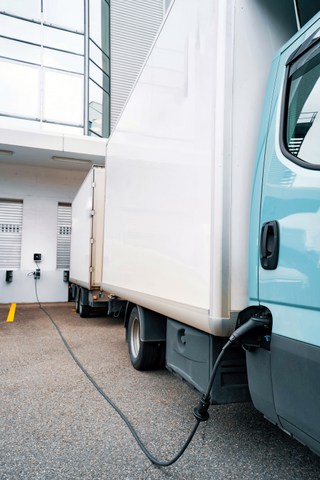
Looking at the Dollars and Sense of Electrification
Electric trucks are no longer a future-facing experiment. They are quickly becoming a practical option for commercial fleets across the United States and Canada. As battery costs fall and charging networks expand, small businesses are starting to ask whether sticking with gasoline or diesel still makes financial sense.
What Is the Real Cost of Going Electric?
Switching to electric trucks involves more than comparing sticker prices. To make a smart decision, you need to look at the up front investment and the long-term operating impact.
The Up Front Price Tag
Electric trucks typically cost more than their gasoline or diesel counterparts. Depending on the class and configuration, that premium can range from tens of thousands to well over $200,000 per vehicle. For small fleets, that initial capital outlay is often the biggest hurdle.
Beyond the Purchase Price
The vehicle itself is only part of the equation. Charging infrastructure, panel upgrades and load capacity planning can significantly affect your total investment. Many facilities were not originally designed to handle multiple high-capacity chargers running overnight.
This is why electrical planning is critical. Upgrading distribution equipment or reducing energy costs with the right transformer can offset infrastructure expenses. Remanufactured transformers can offer performance equal to new units while lowering up front costs and supporting the additional electrical load your fleet will demand. Properly sizing the transformer to your facility’s specific load profile is essential to prevent energy waste and ensure optimal performance.
Where You Will Save in the Long Run
While electric trucks often cost more up front, operating expenses tell a different story. Diesel fleets must budget for fuel volatility, oil changes, transmission servicing and emissions aftertreatment systems. Electric trucks remove many of those items. Fewer moving parts mean fewer service intervals and less long-term repair exposure.
A 2025 analysis found that, in some areas, battery-electric heavy-duty trucks could deliver over $50,000 in total ownership savings over five years compared to diesel models. Those modeled savings reflect lower energy costs and reduced maintenance and repair expenses. For fleets running high-mileage routes, the difference can scale quickly.
The Available Tax Incentives
Incentives can drastically change the numbers. In the U.S., qualifying commercial clean vehicles were eligible for a federal tax credit of up to $40,000 per vehicle last year from the IRS. That’s gone, but some states and local agencies are doing their best to backfill the federal changes. Many states also offer additional rebates, grants or utility-backed infrastructure support.
Canada offers similar programs at the federal and provincial levels, including incentives for zero-emission medium- and heavy-duty vehicles and funding to offset charging infrastructure costs. For small fleets, these programs can reduce up front expenses and shorten the payback period.
The key is planning early. Incentives often have application windows, eligibility requirements and funding caps. Taking the time to research available programs can make the transition to electricity far more affordable.
How EVs Change Your Day-to-Day
Switching to electric trucks changes more than your fuel bill. It shifts how you plan routes, schedule downtime and manage changing cycles. Instead of quick refueling stops, fleets need a structured charging strategy. That means deciding when vehicles charge, how long they sit and whether your facility can support multiple trucks drawing power at once.
Range planning also becomes more intentional. Most medium- and heavy-duty electric trials are excellent for predictable or last-mile routes, but payload weight, terrain and weather can affect range. Smart route analysis helps determine where electric trucks fit best in your fleet mix. For many, electrification works first on consistent routes with defined daily mileage before expanding into longer-haul applications.
Is It the Right Move for Your Business?
Electrification requires careful decision-making. The right move depends on your routes, capital spending flexibility, facility readiness and long-term growth plans. For some fleets, the transition makes immediate financial sense. For others, it is a phased strategy.
Businesses that tend to benefit most share a few common traits:
Predictable daily routes: Consistent mileage makes range planning easier and charging schedules more reliable.
High annual mileage: The more you drive, the faster fuel and maintenance savings accumulate.
Centralized parking or depot operations: Overnight charging is simpler when vehicles return to a fixed location.
Access to incentives: Companies that leverage them can significantly shorten the payback period.
Start by analyzing your fleet data. Look at route consistency, daily mileage and total operating costs over five to 10 years. Then assess your facility’s electrical capacity to learn whether you can commit to a full transition.
Plan for the Long Term
Transitioning to a full electric fleet takes strategy. However, fleets with the right routes, infrastructure and incentives make it easier to justify the investment in the long term. The key is evaluating the numbers carefully and evolving in a way that supports operational stability and future growth.
The post Small Business Guide: Should You Switch Your Fleet to Electric Trucks? first appeared on Clean Fleet Report.