
The automotive industry has deployed coatings for years. Ceramic and wax are common examples, promising greater environmental resilience and longevity. They are useful for many other vehicle parts, not just the exterior. Researchers are experimenting with advanced coating technologies to improve electric vehicle (EV) batteries. Electrodes need them for performance, and it could help EV adoption.
The Necessity of Comprehensive Protection
Experts have experimented with many battery coating options. They must be corrosion-resistant, thermally conductive and flame-retardant to be industry-viable. The coatings must also be durable enough to withstand repeated charging cycles.
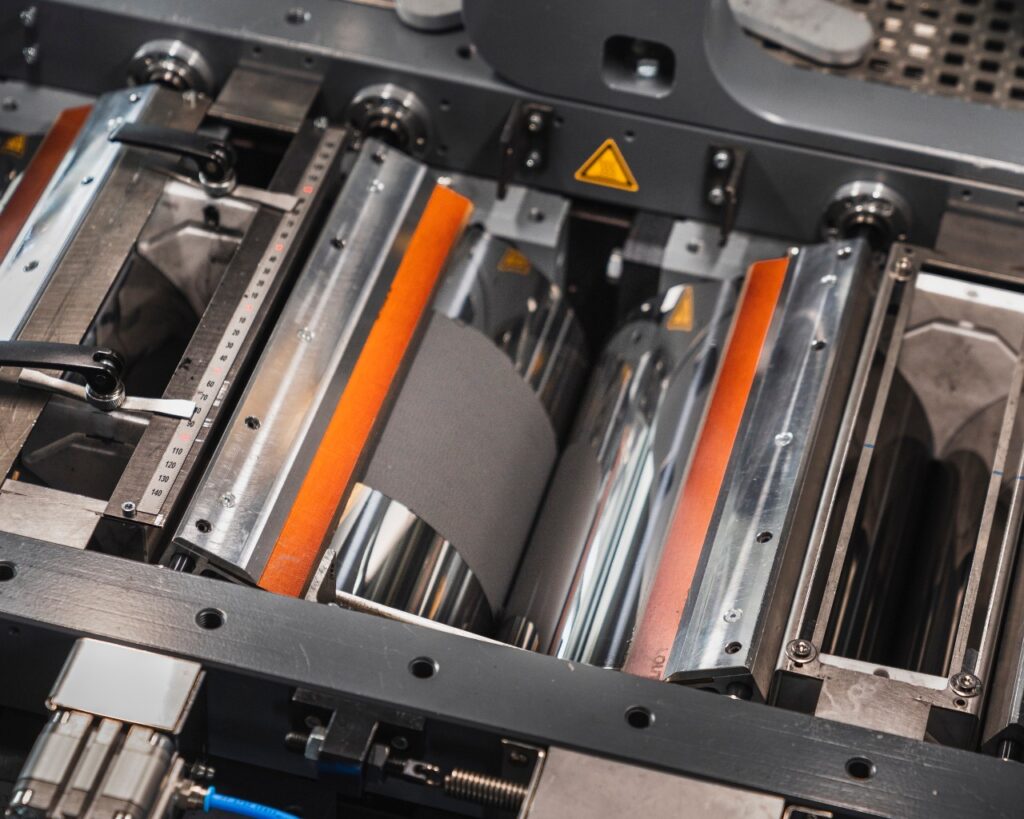
Equipment must apply the coating uniformly over the electrode’s foil, which is challenging for some mixtures. Quality application secures the product and helps drivers maintain their vehicles longer. They need long-lasting options with minimal maintenance requirements. Otherwise, it will increase resistance to adopting battery-powered cars, as drivers would be burdened with a deficient product. Plus, uncovered or thinly coated areas could create hot spots, causing performance losses or mechanical failures.
The best coatings will also reduce the battery’s environmental impact. A lithium-ion battery’s production requires many resource-heavy steps, but the drying process for coatings is 39% of its energy consumption. Electrode drying itself requires 50% of that power.
The Advent of Dry Coating
Powder is a go-to type of functional coating for manufacturers, which is a crucial advancement in electrode optimization. It goes inside the cell to amplify the battery’s resilience and safety performance, improving dielectric isolation and flame resistance, among other benefits.
These coatings can last as long as 40 years, preventing scratches, chips and UV damage. Traits like this deter rust, minimize thermal runaway and bond well to electrodes. They are better than slurry-based processes, laden with chemicals and volatile organic compounds. Strategies like slurry-based processes involve a paste using solvents, which manufacturers need to recover for reuse. This activity is hazardous and time-consuming.
The toxic materials diminish the EV’s reputation in environmental circles. Batteries are already known for their high environmental impact, and coatings would threaten their value even more. Traditional methods are also highly energy-consuming and require tons of space on manufacturing floors. These factors inhibit affordable scaling, which is critical for EV expansion.
The goal is to use a dry method employing an alternative binding agent. It eliminates the most aggressive elements of the conventional calendering process, which takes many hours to complete. Dry coatings adhere faster, making fabrication more cost-effective and sustainable. The required equipment and infrastructure use one-tenth of a standard factory’s footprint, lowering energy needs and labor expenses.
The Impact on Other Battery Types
A test plant in Finland shows how powerful dry coatings can be. The company produces sodium-ion batteries, applying coatings several meters per minute. They bind to the electrode’s particles with greater flexibility than conventional applications.
Professionals suggest the technology could lead to scalable, solid-state, fire-resistant batteries. Sulfur-based batteries and energy storage systems could also become more common because powders improve the density and capacity. Battery-focused manufacturers could embrace these technologies and venture into new verticals, offering other products for renewable power applications.
Dry coatings with advanced adhering methods that achieve consistently high-performing and durable products could diversify the power options for EVs worldwide. The market would expand to produce more vehicles with varying price points and material demands, speeding adoption.
Better Electrodes, Better EVs
Safeguarding electrodes from wear and tear is essential for sustaining EV momentum. The battery is the focal point of numerous contentious debates, including its adverse environmental impact. Advanced coatings make them more efficient and eco-friendly for the vehicle’s total life cycle assessment. Industry experts can expect coatings to be an essential component for durability, sustainability and compliance in the future.
The post How Advanced Coatings Are Optimizing Battery Electrode Performance first appeared on Clean Fleet Report.