
This article may contain affiliate links.
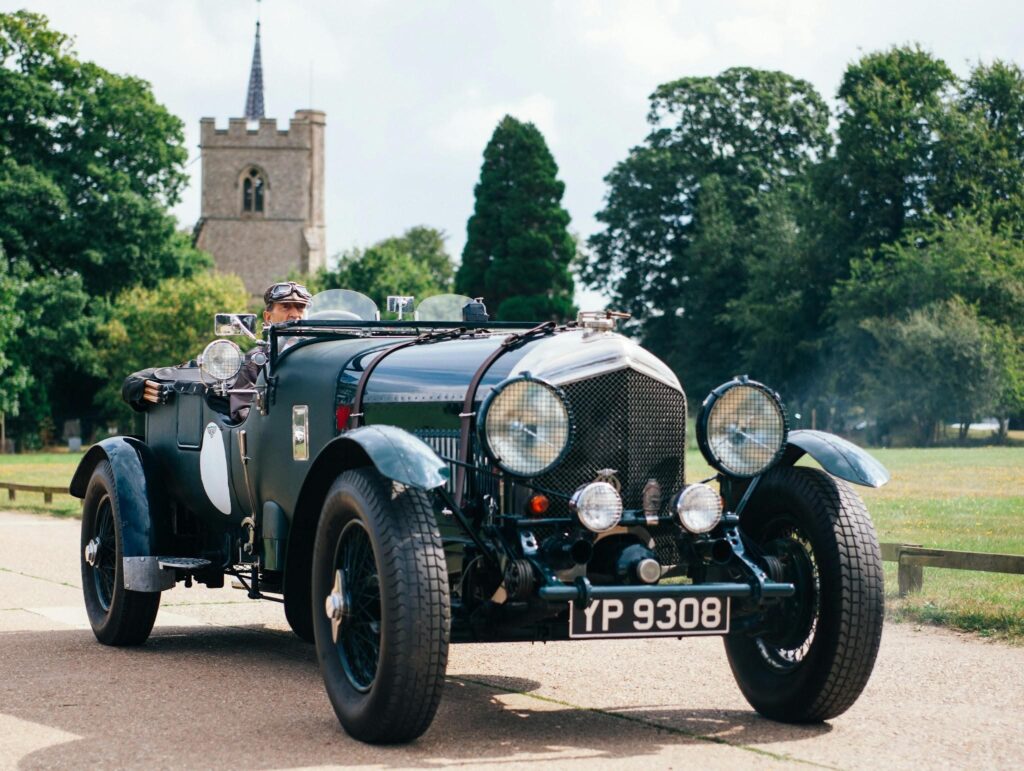
Classic cars capture more than transportation; they reflect artistry, culture and craftsmanship. Each curve, line, and detail tells a story of an era when design prioritized elegance alongside function. Unlike modern vehicles, where efficiency often dominates, vintage cars emphasize individuality and visual appeal.
From the sweeping fenders of a 1930s coupe to the polished chrome of a 1950s roadster, these machines continue to inspire admiration. Exploring their design reveals how form, materials and human skill combined to create timeless vehicles that remain symbols of style and innovation.
Distinctive Silhouettes Define Identity
One of the most striking elements of classic car design lies in its silhouette. Designers carefully sculpted profiles for your dream classic car that balanced proportion and flair. The elongated hood of a luxury sedan, the sweeping curve of a sports car or the subtle rise of a rear fender were not arbitrary; each choice conveyed power, speed or sophistication.
Unlike contemporary designs constrained by strict aerodynamic or regulatory demands, classic car silhouettes allowed more freedom for visual drama. Even from a distance, enthusiasts can often identify a car’s make and era purely by its shape. This emphasis on a unique, recognizable outline helped brands build identity and ensured that their vehicles left a memorable impression wherever they appeared.
Material Choices That Tell a Story
Materials used in classic cars contribute heavily to their charm. Wood, chrome, leather and metal were carefully selected for tactile and visual appeal. Wooden dashboards provided warmth and craftsmanship; chrome trim added shine and reflected attention to detail; leather upholstery offered comfort and luxury.
These choices were often labor-intensive, requiring skilled artisans to shape, polish and assemble each component. Modern cars frequently rely on plastics and composites for cost and efficiency, making the tactile richness of classic interiors a rare pleasure.
Harmony Between Form and Function
Classic car design often achieved a remarkable balance between aesthetic appeal and functional engineering. Designers and engineers worked together to ensure that beauty did not come at the expense of performance. Aerodynamic forms were used subtly, engine compartments were arranged thoughtfully, and driver controls were placed intuitively.
Even when the focus leaned heavily toward visual elegance, mechanical efficiency was carefully considered. This harmony created vehicles that were pleasing to the eye and enjoyable to drive. Drivers experienced a connection with the machine, where each pedal, gearshift and steering wheel responded with precision, reinforcing the sense of artistry in engineering.
Cultural Reflection in Automotive Style
Every classic car carries the imprint of its era, reflecting contemporary cultural and social trends. The exuberant fins of the 1950s represented optimism and fascination with flight; the sleek European roadsters of the 1960s mirrored a growing interest in performance and minimalism. Designers responded to lifestyle shifts, technological advances and even political climates through their work.
These cars function as cultural artifacts, allowing modern observers to glimpse the aspirations, values and aesthetics of past generations. Collecting and restoring vintage automobiles becomes more than a hobby; it becomes a way to preserve and celebrate history expressed through mobility and design.
The Legacy of Handcrafted Excellence
The elegance of classic cars owes much to the extensive human involvement in their creation. Before automation dominated production lines, craftsmen shaped, assembled and finished each element by hand. This dedication resulted in subtle variations and unique characteristics that made each vehicle distinct.
Even small details, such as hand-stitched seats or custom-painted pinstripes, reflected skill, pride and attention to detail. Modern manufacturing often prioritizes uniformity, reducing opportunities for such personal touches. The enduring admiration for classic cars stems in large part from this human imprint, where design excellence was inseparable from manual craftsmanship.
Timeless Influence on Modern Automotive Design
Classic car design continues to inspire modern automotive creativity. Contemporary designers frequently reference vintage lines, grille shapes or interior layouts to evoke nostalgia while integrating modern technology. Retro-inspired models, limited editions and custom restorations illustrate how past elegance remains relevant.
Beyond aesthetic influence, the philosophy behind classic cars serves as a guiding principle for designers seeking to create vehicles that resonate emotionally with drivers. These enduring lessons highlight that beauty and artistry in cars continue to shape automotive culture today.
The allure of classic car design lies in its combination of artistry, craftsmanship and cultural resonance. Each vehicle tells a story through its silhouette, materials and details, offering a glimpse into the values and aesthetics of its era. Beyond their historical significance, classic cars continue to influence modern design, reminding us that beauty, elegance and thoughtful engineering are timeless.
Appreciating these vehicles goes beyond admiration for machinery; it celebrates the dedication, creativity and human touch that transformed steel, leather and chrome into rolling works of art. The legacy of classic cars endures, inspiring enthusiasts and designers alike to honor the artistry that made them unforgettable.
The post The Art and Elegance of Classic Car Design first appeared on Clean Fleet Report.